

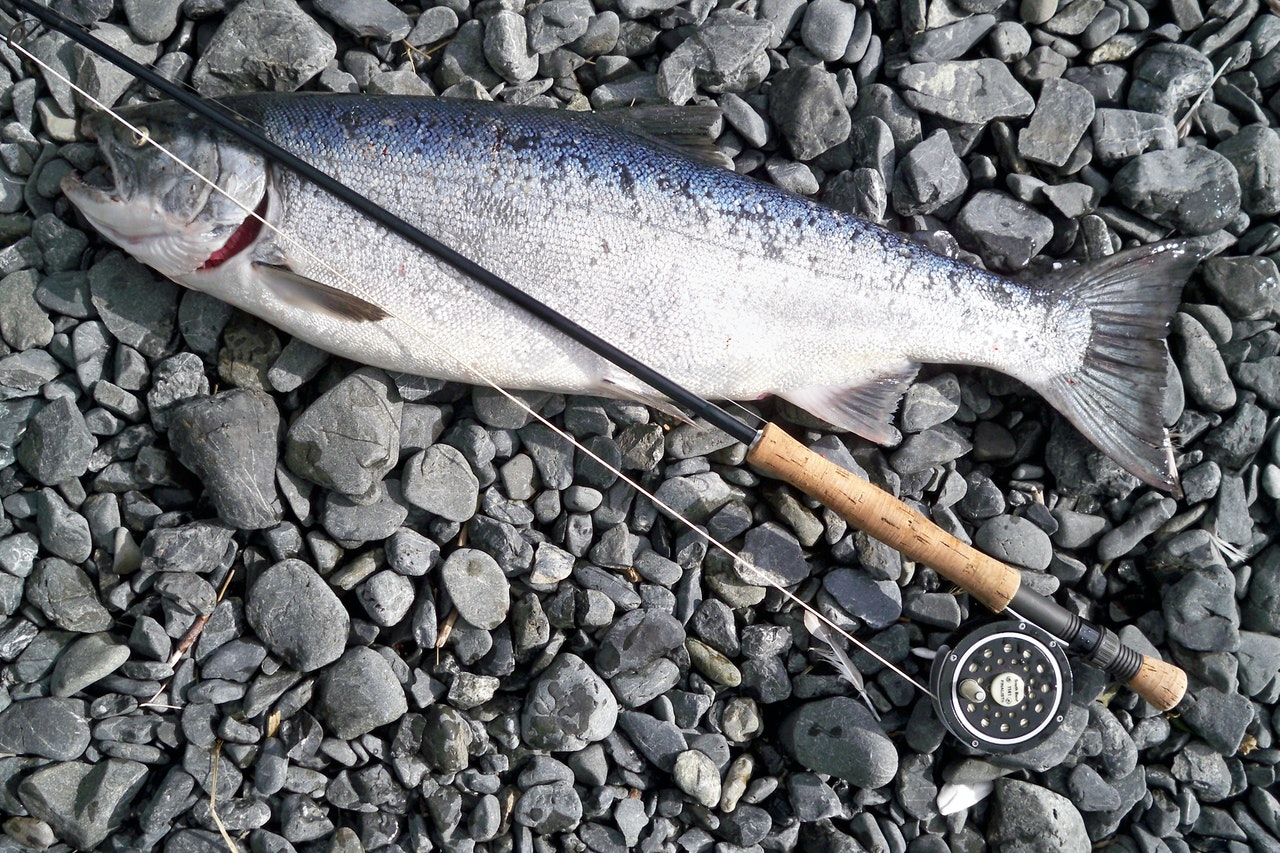
Who’s smarter: you or a trout?
Believe us when we say we mean no insult by that question.
Trout fishing involves the fisherman in a whole set of predatory questions and necessities. The way you cast, the movements you use, and most important of all, the flies you use all have their part to play in successful trout fishing.
Because of course, fish are fish and people are people, but under no circumstances should you make the mistake of thinking trout are stupid.
Just like predator hunting on land, you’re pitting your wits, your instincts, and the genius of those who have studied the fish over hundreds of years against a creature which has either been honed by evolution or crated by a god with one single imperative – not to get caught.
That means almost the whole business of trout fishing is about getting into the fish’s mindset. Be too obvious in your approach and the trout will swim on by, no matter how flashy and delicious-looking your fly is. But play the game with the trout, pretend you yourself don’t exist in its world, and the quality of your fly might pull the hungry fish into your trap.
But the world is absolutely full of flies for trout. Home-woven flies are probably the secret pride of most experienced trout fishermen. Flies handed down like secret treasures from master to apprentice are a ritual prize better than rubies for the dedicated trouter.
But even the world of simple, commercial trout flies is swarming with contenders, backed by science, study, and experience in use. You name it, there’s someone who’s used it to create the best new trout fly in the world.
So how do you know which are really the best flies for trout?
Let us fill your tackle box. We’ve found the best flies for trout currently on the commercial market. They may not be invested with the triumphs of generations of trout fishermen – but they’re almost guaranteed to help you catch trout on a regular basis.
Best Flies For Trout – Reviews
No products found.
Best Flies For Trout – Buyers Guide
When you’re buying flies for trout, there are some things you need to keep in mind.
Know Where You’re At
The journey of a trout fisherman, like the journey you take in any skilled hobby, has distinct phases – from beginner, through practicing, to expert.
Different types of flies will be of most use to you at different phases of your trout fishing career – be honest with yourself and choose flies that will help you today, rather than aspiring to use expert-level flies before you’re ready.
It’ll save you money, time and lots of frustration if you choose the right flies for your stage.
Understand Your Prey
Various types of fly do different things. Attractor flies aren’t meant to represent actual insects, but will create movement and colour that the fish will want to investigate for its potential.
Other flies can represent elements of the trout’s favorite edible bugs in their various stages of development throughout the year.
You can use those different flies to catch trout in different seasons. The more you know about the fish, the more useful each of these types of fly will be to you. Put the effort in, understand the fish, and buy the flies that work best with your skills and understanding.
Frequently Asked Questions
What makes for a good fly for trout?
Several things. The trout respond like most creatures to suddenness of movement and colour in their world, so initially, bright, shiny attractor flies can work to rouse their interest.
Beyond that, high-quality fly-making can get you flies that closely represent the insects on which the trout feeds throughout the course of the year.
How long should trout flies last?
Long enough to catch you a trout. Bottom line, that’s the only answer that counts. You can keep a fly for fifty years – if it never catches you a trout, it’s a waste of space in your box.
But a fly that catches you six big trout and then falls to bits when you cast is still worth the financial equivalent of those six trout.
Worry about passing your flies down to the next generation when you’re a wise and ancient trout-whisperer. Until then, get the flies that catch you trout, and don’t worry about them lasting forever.
Is ‘match-the-hatch’ a good plan for trout flies?
It’s certainly not a bad plan. If you’re new to trout fishing, using flies that match the insects in the trout’s diet at various stages of development means you can fish year round, honing the things that no fly can give you – the instincts, the quietness, the patience to catch trout.
When you’re more experienced, a match-the-hatch fly set means you don’t have to catch trout around the year, but you can catch them at any point in that year, so there are good reasons to master a match-the-hatch trout fishing strategy.
In addition, having to choose between different flies means you get used to selecting the right fly at the right moment to get the results you want.