

Section
Camping & Hiking
Trail craft, overnight systems, and packing lists without the fluff.

NEMO Hornet OSMO vs Big Agnes TTWUL221
Buy the NEMO Hornet OSMO on ASIN B0BMT99T4S only if you will accept a card with no model number and a seasons cell that says Summer. Buy Big Agnes TTWUL221 when the title says 3-season and you will ignore a seasons cell that says All Seasons and a floor-length cell of 22 inches.

MPOWERD 1023-002-001-002 vs BioLite LNA
Buy MPOWERD Luci Outdoor 2.0, model 1023-002-001-002, for the solar lantern whose bullets say 75 lumens and 4.4 ounces. The wattage cells say 1000 milliamp-hours. Buy BioLite LNA for the 250-lumen cell, and ignore a color cell that says 500 and a bullet that says 7.4 pounds.
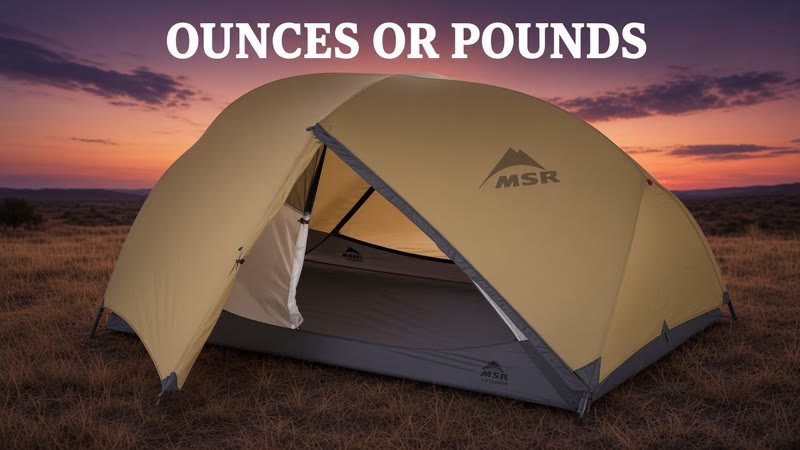
MSR 11506 vs Big Agnes THVCS2MG20
Buy MSR Hubba Hubba 2, model 11506, Sahara, UPC 040818115060. The bullet says 2 pounds 14 ounces. The item-weight cell says 5.6 ounces. Buy Big Agnes Copper Spur HV UL mtnGLO, model THVCS2MG20. The floor area is 29 square feet. The floor-width cell says 5.9 inches.
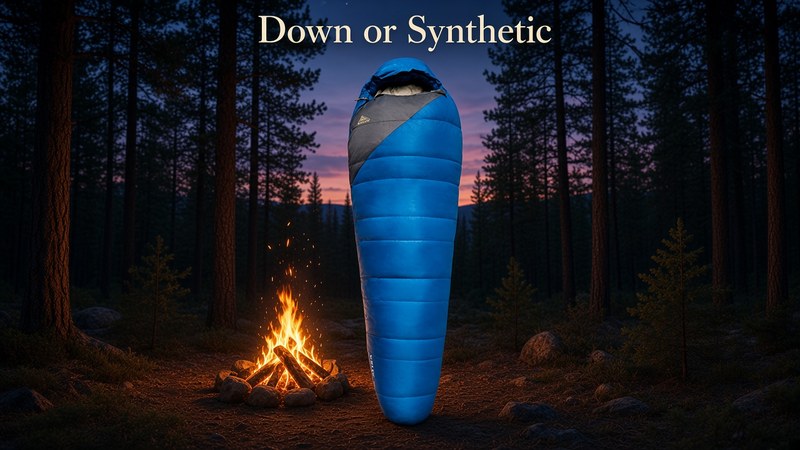
Kelty 35413721LR vs Marmot 23520-4430-RZ
Buy Kelty Cosmic 20 Down, model 35413721LR, long, Lyons Blue, UPC 727880873042. The title says 2024 and 550 fill. The bullets say 2021. Buy Marmot Trestles 30, model 23520-4430-RZ, regular, right zip. The title says 30°F. The seasons cell says Summer. Neither card prints a pound weight.
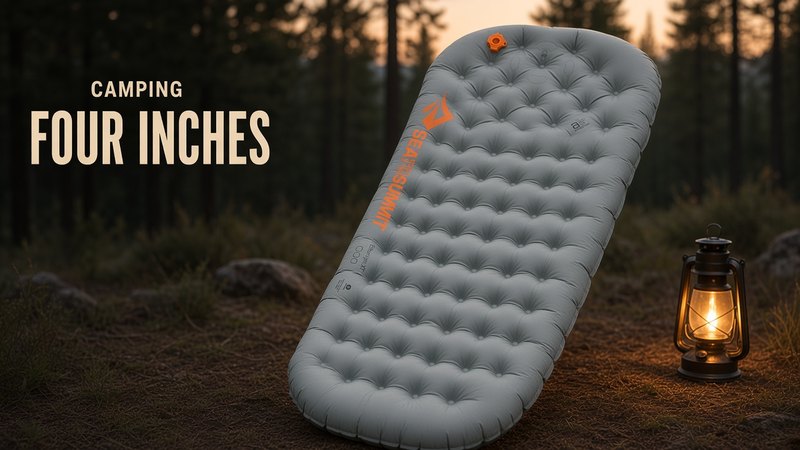
Ether Light XT ST81167 vs Klymit 06SVGR02C
Buy Sea to Summit ST81167, smoke, size Small, for the tapered pad whose bullet says R-value 3.2 and 4 inches. Buy Klymit 06SVGR02C, green, for the uninsulated Static V whose bullet says R-value 1.3. The Klymit thickness cells say 2, 2.5, and 5 inches.
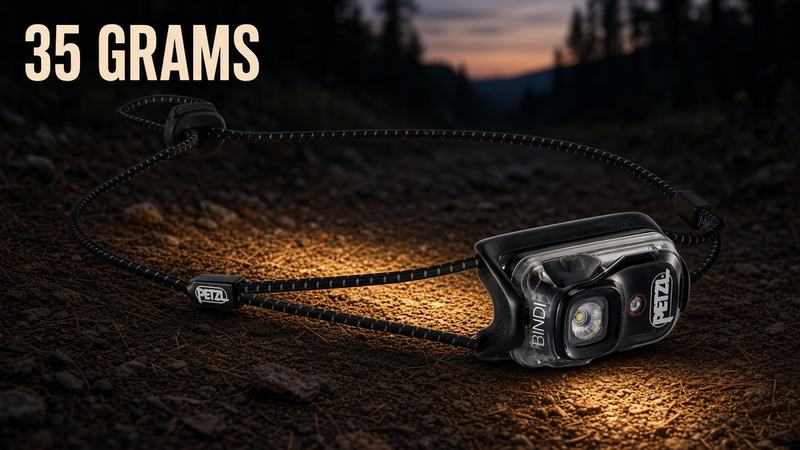
Petzl Bindi E102AA00 vs Nitecore NU25-400UL
Buy Petzl Bindi E102AA00, black, for the 35 g lamp, 200 lumens, and a 50-hour runtime cell. Ignore the CR2 cell. Buy Nitecore NU25-400UL, MCT Yellow, for the 400-lumen cells and USB-C. The runtime cell says 2 hours. The battery-life cell says 45 hours.
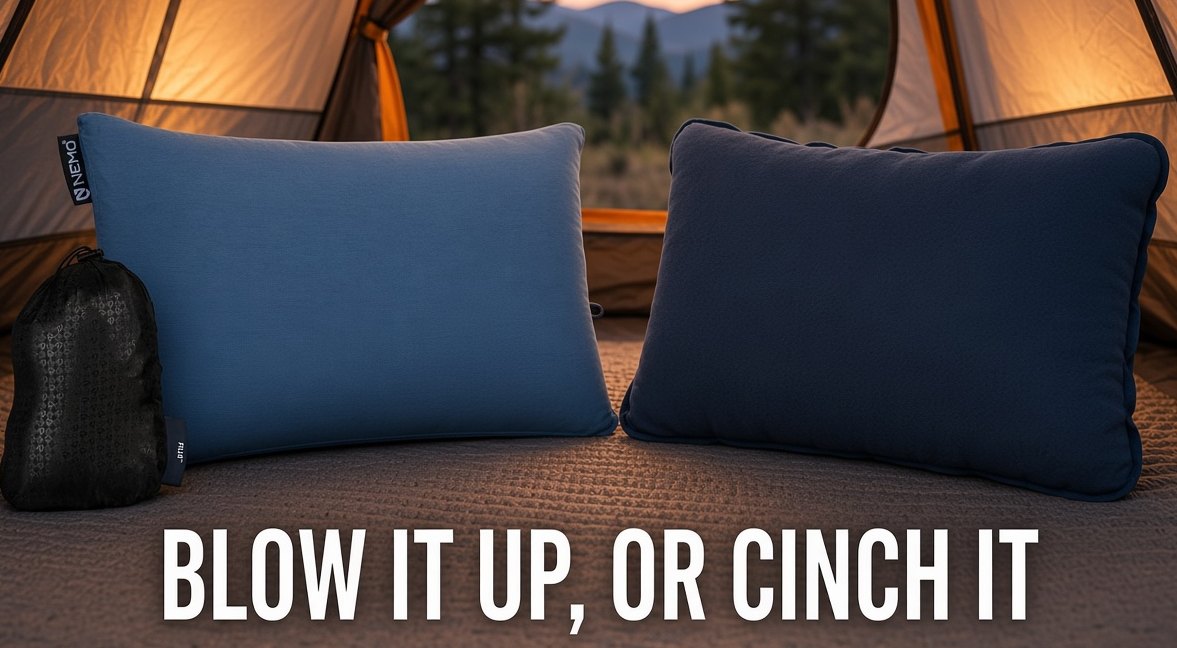
NEMO Fillo Blue Horizon vs Therm-a-Rest 14224
Buy the NEMO Fillo in Blue Horizon for the air-and-foam pillow at 9.2 ounces, with a valve and an internal sack. Buy Therm-a-Rest 14224 for the regular Outer Space foam Cinch. It has a cord, not a valve.
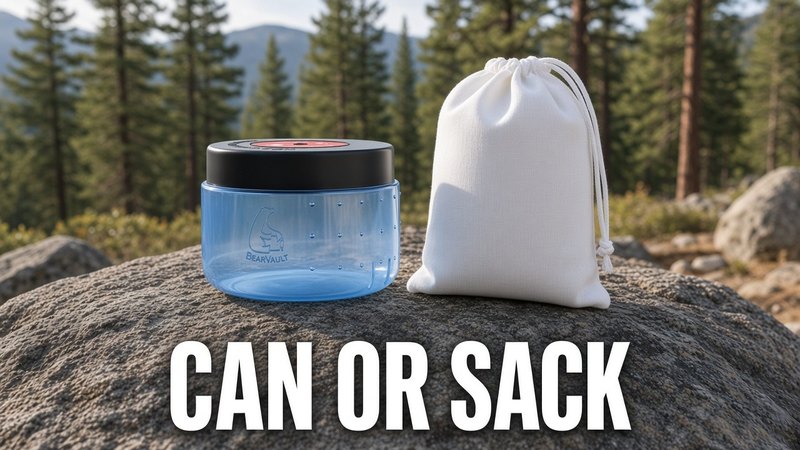
BearVault BV425 vs Ursack Major XL
Buy BearVault BV425 Sprint S, UPC 893554000066, for the small clear polycarbonate can. Buy the Ursack Major XL for the soft sack whose bullets say 15 liters and 8.8 ounces. The Ursack weight cell says 3.1 pounds. The BearVault family title is not the size field.
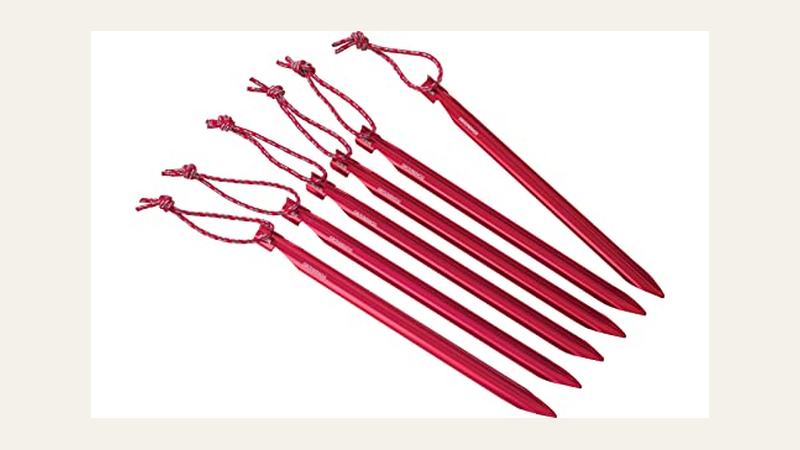
MSR Groundhog 05807 vs Big Agnes ADDPK67522
Buy MSR Groundhog 05807 for six red 7.5-inch Y-beam stakes at 0.46 ounces each. Buy Big Agnes Dirt Dagger ADDPK67522 for the orange I-beam the style cell calls 6.75 in, pack of 6, UPC 841487143527. A Y and an I are not the same length.
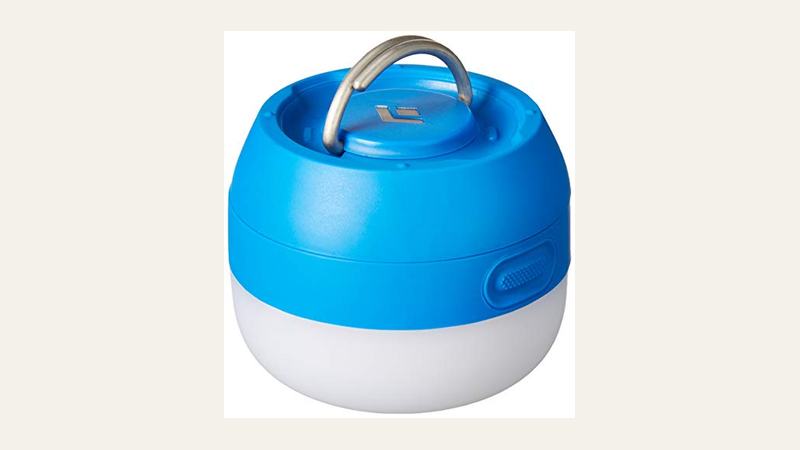
Black Diamond Moji BD620711BLYLALL1 vs Goal Zero 32012
Buy Moji BD620711BLYLALL1 for the 100-lumen lantern on three AAA cells, with a dimmer and a double-hook. Buy Goal Zero Crush Light 32012 for 60 lumens on high, 35 hours on low, and solar or USB. Hold the button to leave demo mode.
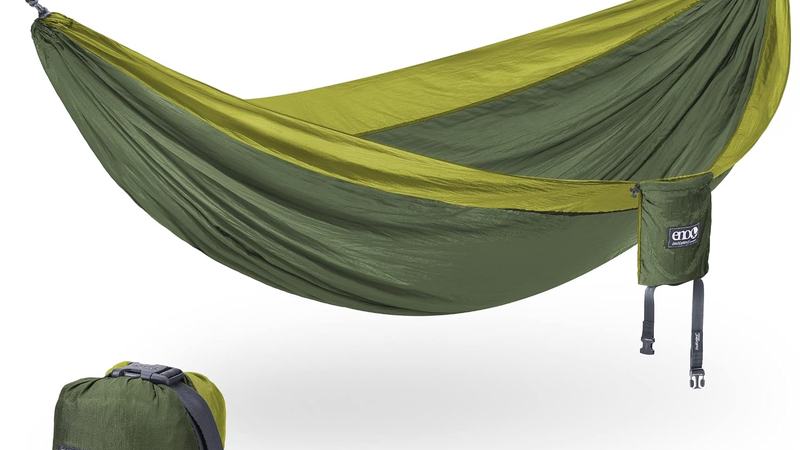
ENO DoubleNest DN009 vs Grand Trunk ADH-03
Buy ENO DN009 Olive/Melon for the 19 ounce hammock, UPC 811201019643, and bring your own straps. Buy Grand Trunk ADH-03 Navy/Silver for carabiners, a 5 mm cord, and a 10 foot 6 by 6 foot 6 bed. Weigh it. The card says both 21.60 ounces and 16 ounces.
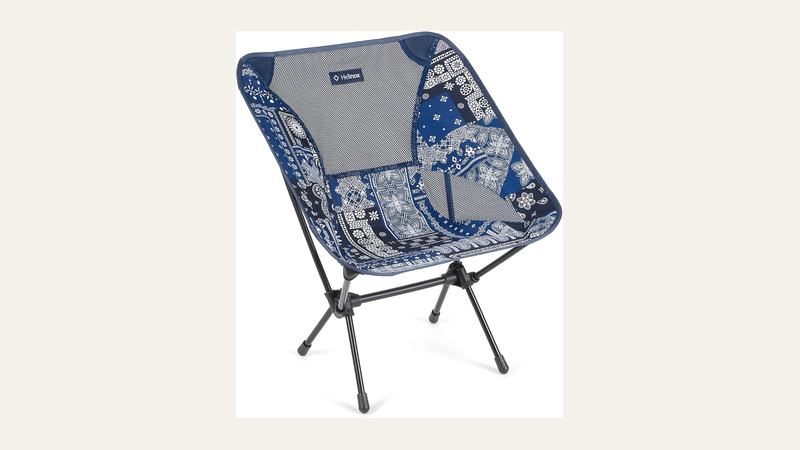
Helinox Chair One 10305 vs ALPS King Kong 8140348
Buy Helinox Chair One 10305 for the aluminum chair rated 320 pounds that packs to 4 by 4.5 by 14 inches at 2.10 pounds. Buy ALPS King Kong 8140348 for the steel chair rated 800 pounds at 13 pounds. Ignore the foot marks.
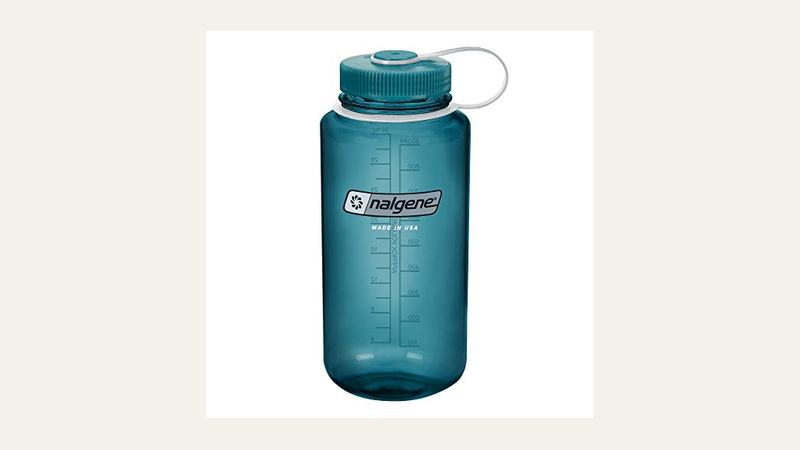
Nalgene 32 oz 341844 vs Hydro Flask W32BTS618
Buy Nalgene 341844 for the Cadet 32-ounce Tritan wide mouth at 0.18 kg. Buy Hydro Flask W32BTS618 for the Watermelon steel bottle rated cold 24 hours and hot 12. Ignore both 2-pound cells.
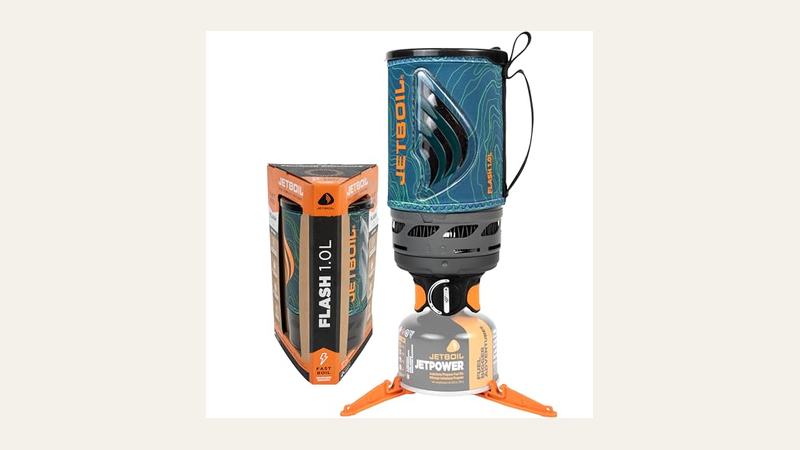
Jetboil Flash Ocean Topo vs MSR WindBurner 1.0L
Buy Jetboil Flash FLOT3 for the Ocean Topo cup, a turn-and-click igniter, and a 16 ounce boil in 2 minutes. Buy MSR WindBurner 14047 for the radiant pot and the half-liter bowl.
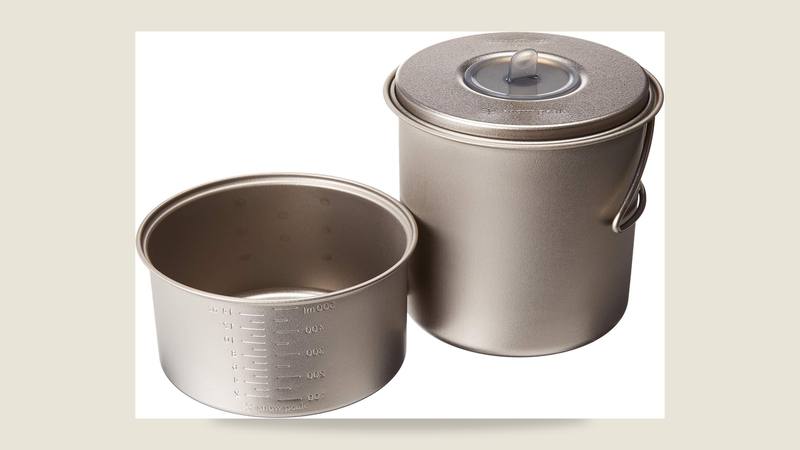
Snow Peak Mini Solo vs TOAKS 750 Pot
Buy the Snow Peak Mini Solo for a pot and cup with a claimed 5.5-ounce set weight. Buy the TOAKS POT-750 for a 750-milliliter pot. Measure the cup. Weigh the lid.

Petzl Tikkina vs Black Diamond Astro 300
Buy the Tikkina E060AB00 for a 300-lumen flood lamp with three AAA cells. Buy the Astro 300, BD620674, in Azul, for a dimmer and a BD 1500 option that is not in the box.
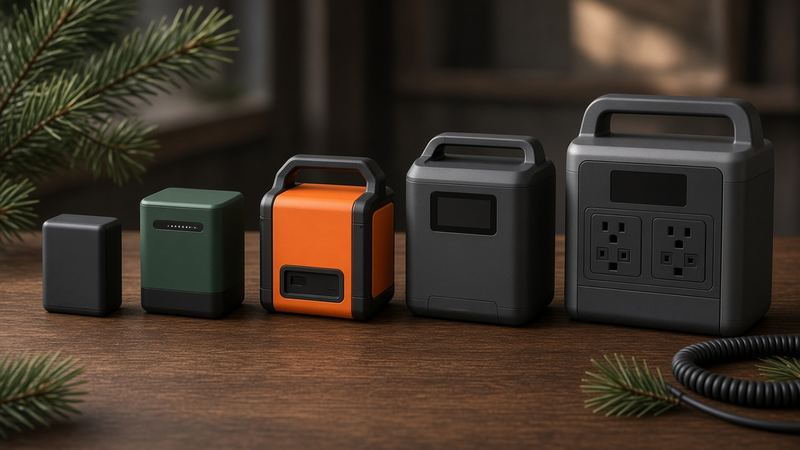
The Five Best-Selling Portable Electric Generators on Amazon
Buy the Jackery Explorer 1000 v2 for a camp that needs 1,500 watts. Buy the EcoFlow DELTA 3 Classic for 1,800 watts. The Explorer 300, Daran, and MARBERO M82 are the lighter stations in the same best-seller list.
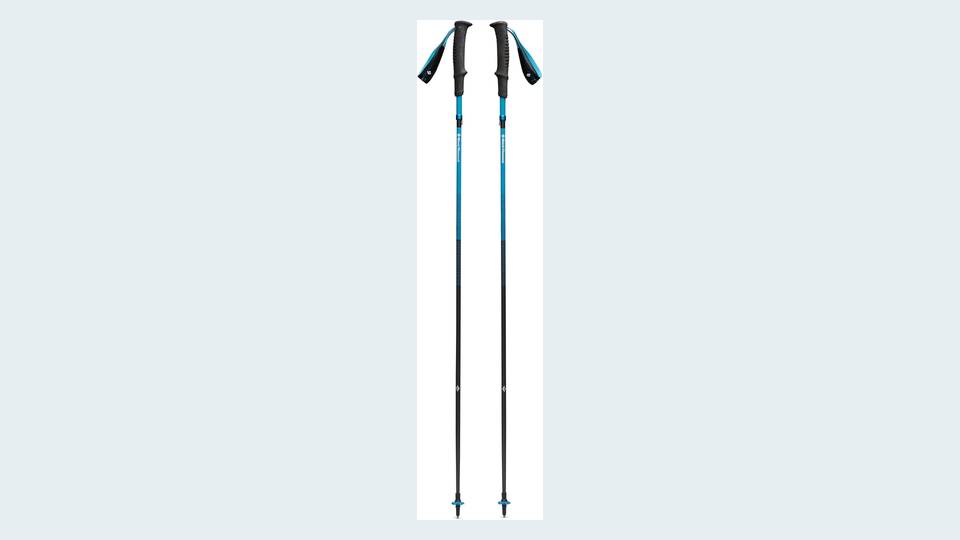
Black Diamond Distance Carbon Z 125 vs LEKI Journey Lite
Buy the Carbon Z 125 cm if that length is already yours. Buy the Journey Lite pair marked 110–135 cm if you need to shorten the pole on a climb. Fixed carbon is not an adjustable aluminum pair.