

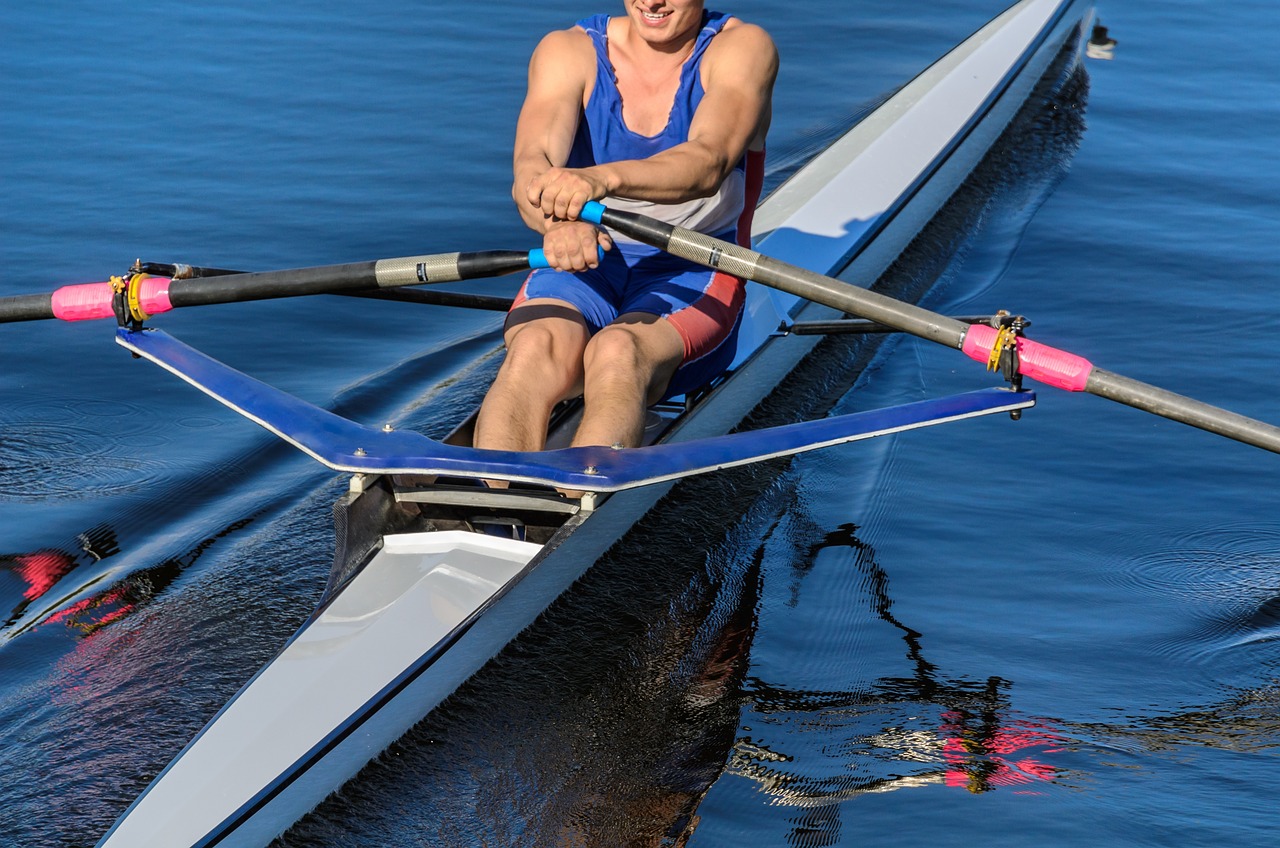
Rowing can be a great way to enjoy some fun and fitness benefits at the same time. Whether you’re a beginner or an experienced rower, there are many ways to enjoy the sport and get the most out of it. In this blog post, we’ll discuss the different types of rowing, how to get started, and the various benefits that come along with it. By the end, you’ll have a better understanding of how rowing can be a great way to stay fit and have a great time. Let’s get started!
Introduction to Rowing
Rowing is a type of water sport that involves the use of oars to propel a boat through the water. It is a great way to get some exercise, as well as enjoy some time out on the water. There are many different types of rowing, from competitive racing to recreational rowing. No matter what type of rowing you choose to do, you will be sure to get some great benefits from it.
Rowing is a great way to get some physical exercise. It is low impact, so it is easy on the body and can be done by people of all ages. It is also a great way to explore nature and appreciate the scenery around you. Rowing is also a great way to build strength, as it uses all of the major muscle groups in your body.
Benefits of Rowing
There are many benefits to be gained from rowing. It can help you to develop strength and endurance, as well as improve your coordination and balance. It is a great way to get some exercise while enjoying the outdoors. It is also a great way to relax and enjoy some peace and quiet away from the hustle and bustle of daily life.
Rowing can also help to improve your cardiovascular health. It is a great way to get your heart rate up and get your blood flowing. This can help to reduce your risk of heart disease and other health problems. Rowing can also help to reduce stress and anxiety, as it can be a great way to clear your mind and focus on the present.
Different Types of Rowing
There are many different types of rowing that you can choose from. Some of the most popular types include recreational rowing, competitive rowing, and adaptive rowing.
Recreational rowing is a great way to enjoy the outdoors and get some exercise. It can be done solo or with a group of friends. This type of rowing is often done to explore the waterways and take in the sights.
Competitive rowing is a great way to test your skills and push yourself to the limits. It is a great way to challenge yourself and push your body to its limits. This type of rowing involves racing against other boats in order to determine who is the fastest.
Adaptive rowing is a great way to get involved with the sport even if you have a disability. It is open to people of all ages, genders, and abilities and can be adapted to suit individual needs.
How to Get Started with Rowing
If you are interested in getting started with rowing, the first step is to find a rowing club or organization near you. You can also look for classes or events that are being held in your area. There are also many online resources that can provide you with information and advice on how to get started.
Once you have found a rowing club or organization, it is important to find out what type of rowing they offer. This will help you decide which type of rowing is best for you. It is also important to find out what equipment you will need for rowing and where you can get it.
What Equipment is Needed for Rowing?
The equipment needed for rowing varies depending on the type of rowing you are doing. For recreational rowing, you will need a boat, oars, life jackets, and a boat cover. For competitive rowing, you will need a boat, oars, life jackets, boat cover, and a racing shell. Adaptive rowing will require a boat, oars, life jackets, and specialized equipment for the individual’s needs.
It is important to make sure that you have the right equipment for the type of rowing you are doing. You should also make sure to get the right size boat and oars for your height and weight.
No products found.
Different Rowing Techniques
Rowing is an art that requires a lot of practice and skill. There are many different techniques that you can use to improve your rowing performance. Some of the most common techniques include the catch and release, the drive, and the finish.
The catch and release is the most basic technique, and involves placing the oar in the water and then pushing it away. The drive is the part of the stroke where the oar is pulled through the water to propel the boat forward. The finish is the final part of the stroke where the oar is removed from the water and the boat is brought back to its starting position.
How to Stay Safe while Rowing
Rowing can be a great way to get some exercise and enjoy the outdoors, but it is important to stay safe when rowing. It is important to wear the appropriate safety equipment, such as a life jacket and a helmet. It is also important to be aware of your surroundings and watch for other boats, debris, or obstacles in the water that could cause you to capsize.
It is also important to check the weather conditions before you head out on the water. Strong winds, high waves, and thunderstorms can all make rowing dangerous. It is also important to let someone know where you are going and when you plan to return.
Tips for Improving Your Rowing Performance
If you want to improve your rowing performance, there are a few tips you can follow. First, it is important to practice regularly. This will help you build strength and endurance, as well as become more familiar with the different techniques. It is also important to focus on your form and make sure that you are using the correct technique for each stroke.
It is also important to stay hydrated and fueled. Make sure to drink plenty of water and eat a balanced diet. This will help to ensure that your body has the necessary energy and nutrients to perform at its best. Finally, make sure to listen to your body and take breaks when needed.
The Benefits of Rowing for Fitness
Rowing is a great way to get some exercise and stay fit. It is low impact and can be done by people of all ages. It is also a great way to build strength, as it uses all of the major muscle groups in your body. It is also a great way to improve your cardiovascular health and reduce your risk of heart disease.
Rowing can also help to reduce stress and anxiety, as it can be a great way to clear your mind and focus on the present. Finally, rowing is a great way to get some much-needed peace and quiet away from the hustle and bustle of daily life.
Conclusion
Rowing can be a great way to enjoy some fun and fitness benefits at the same time. It is a great way to get some exercise, build strength, and enjoy the outdoors. There are many different types of rowing that you can choose from, from recreational rowing to adaptive rowing.
It is important to make sure you have the right equipment for the type of rowing you are doing, and to make sure you stay safe while rowing. There are many techniques that you can use to improve your rowing performance, and rowing is a great way to reduce stress and improve your cardiovascular health.
So, if you are looking for a fun and fitness-filled activity, rowing is a great option. Rowing can be a great way to enjoy the outdoors, get some exercise, and stay fit. So, grab your oars and get out on the water to enjoy the benefits of rowing!