

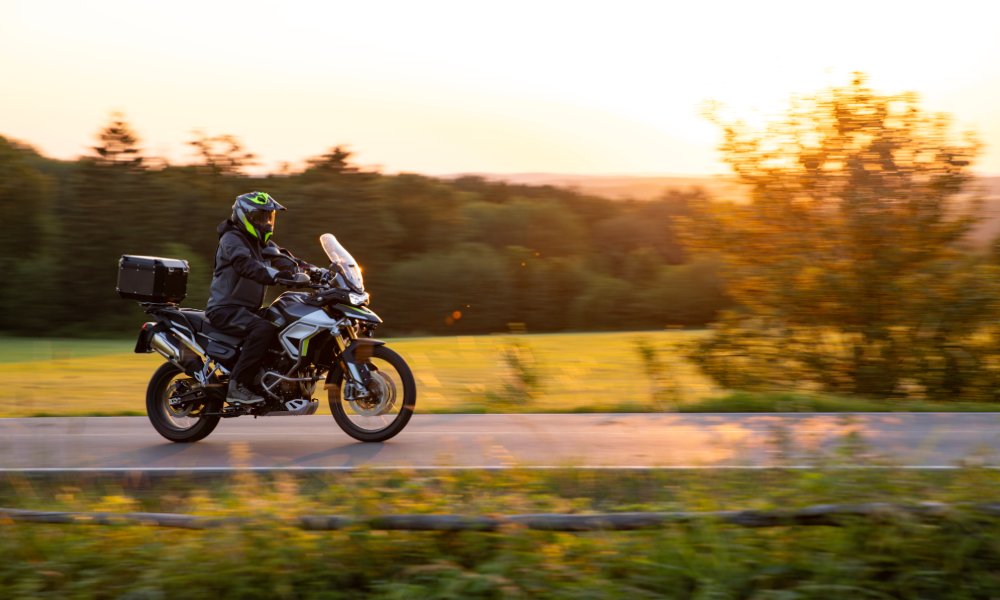
Adventure riding offers outdoor newcomers a variety of experiences, including pavement, gravel, dirt roads, unpredictable weather, and occasional, unexpectedly challenging moments. This mix keeps the sport exciting while underscoring the importance of preparation before tackling long distances.
New riders do not need the hardest trail or the longest weekend loop. They need steady practice, reliable gear, and a plan that leaves room for weather, fuel stops, and changing terrain. Here are a few adventure riding tips for outdoor beginners.
Choose Routes That Build Confidence
A first adventure ride should feel challenging enough to teach new skills without turning stressful. Start with paved backroads, maintained gravel roads, and light dirt sections before moving toward remote trails. Review the route before leaving home. Check mileage, fuel availability, weather, surface conditions, and cell coverage.
Pick A Bike That Matches The Ride
Adventure motorcycles vary widely. Some feel better on long stretches of pavement, while others handle loose surfaces with less effort. New riders should choose a bike based on real plans rather than dream trips.
A capable ADV bike can handle highway miles, gravel, backroads, and light trail sections, but size and weight matter. Riders should feel comfortable stopping, turning around, balancing at low speeds, and managing the bike when the surface gets uneven.
Practice Slow-Speed Control
Adventure riding does not reward rushing. Loose gravel, sand, mud, and ruts all feel easier when riders stay relaxed and use smooth inputs. Practice slow turns, controlled braking, gentle throttle use, and standing position in a safe, open area.
Keep your eyes up and scan ahead. Looking straight at rocks or ruts makes them feel larger than they are. Choose a line early, stay loose on the bars, and let the motorcycle move underneath you.
Pack Light, But Pack Smart
Outdoor beginners should carry enough to solve common problems without overloading the bike. Heavy luggage changes the balance and makes slow riding harder.
A simple starter kit may include:
- Riding helmet, gloves, jacket, pants, and boots
- Water and compact snacks
- Offline navigation or a paper backup
- Basic tools and tire repair supplies
- Rain gear suited to the forecast
Secure every item before riding. Loose straps can shift, melt near the exhaust, or catch where they should not.
Respect The Trail And The Weather
Adventure riding depends on access, and access depends on good trail habits. Stay on legal routes, slow down near hikers or cyclists, and avoid wet trails that may rut easily. Give wildlife space, and pack out whatever came in.
The weather also deserves attention. A dry gravel road can change quickly after rain. Heat, wind, and cold can affect focus, so riders should adjust the route before fatigue takes over.
Let Each Ride Build The Next One
Good adventure riding grows through patience. Repeat easier routes, sharpen low-speed skills, and add distance only after the basics feel natural. Adventure riding for outdoor beginners works best when each trip builds confidence without pushing past sound judgment.
