

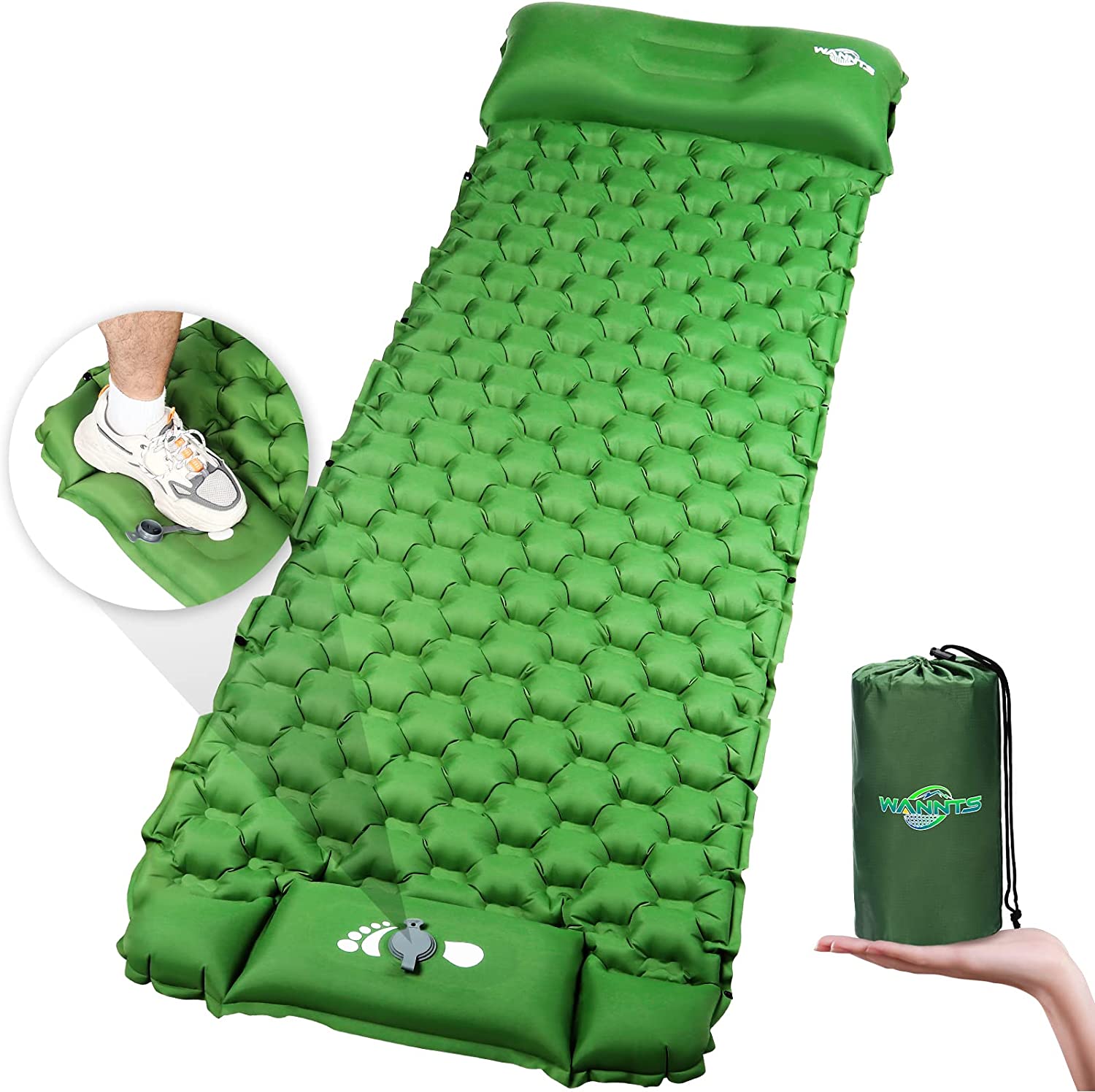
Camping offers a serene escape from the bustle of everyday life. A cozy night’s sleep is paramount for truly savoring the wilderness experience. Sleep pads, an essential camping gear item, provide not just comfort but insulation and support for campers. Let’s explore the world of sleep pads, their importance, and what sets one apart from another.
The Importance of Sleep Pads
- Insulation and warmth
Camping often involves sleeping on cold, uneven ground. Sleep pads insulate your body from the chilly earth, trapping warmth between you and the pad. This is crucial for maintaining your body temperature and ensuring a comfortable sleep.
- Cushioning and support
A sleep pad cushions your body against hard, rocky surfaces, providing essential support. By reducing pressure points, it allows you to sleep in various positions and wake up without soreness or stiffness.
- Sleep quality
Good sleep is vital for maintaining energy levels, mood, and overall well-being. A sleep pad ensures you get a restful night’s sleep, allowing you to tackle the day’s activities with enthusiasm.
Choosing the Right Sleep Pad: Types and Features
There’s a plethora of sleep pads on the market, each with unique features and materials. Let’s dive into the main types and their pros and cons.
- Air pads
Air pads are lightweight and compact, making them a favorite among backpackers. These pads require manual inflation, but some models come with built-in pumps for convenience. Their thickness can be adjusted to your preference, providing customizable comfort.
Pros:
- Lightweight and packable
- Adjustable firmness
- Generally more comfortable
Cons:
- Vulnerable to punctures
- Requires inflation
- Can be noisy when shifting positions
- Self-inflating pads
Self-inflating pads are a hybrid of air and foam pads, featuring open-cell foam that expands when the pad’s valve is opened. They offer a balance between comfort and insulation, making them suitable for various camping scenarios.
Pros:
- Easy to set up
- Offers insulation and comfort
- Moderately lightweight
Cons:
- Can be bulkier than air pads
- Not as comfortable as pure air pads
- Less puncture-resistant than foam pads
- Closed-cell foam pads
Closed-cell foam pads consist of dense foam that is both durable and insulating. They are the simplest and most affordable option, perfect for budget-conscious campers and those who prioritize durability over comfort.
Pros:
- Affordable
- Durable and puncture-resistant
- Lightweight
Cons:
- Less comfortable than air or self-inflating pads
- Can be bulky
Best Selling Camping Sleep Pads
No products found.
What Makes One Sleep Pad Better Than Another?
- R-value
R-value measures a pad’s insulation capacity, with higher values indicating better insulation. Cold-weather campers should opt for a sleep pad with a higher R-value to ensure adequate warmth.
- Weight and packed size
For backpacking trips, a lightweight and compact sleep pad is vital. Air pads typically excel in this regard, while foam pads can be bulkier.
- Durability
Consider a pad’s materials and construction to gauge its durability. Closed-cell foam pads are the most durable, followed by self-inflating pads. Air pads can be more vulnerable to punctures but often come with repair kits.
- Comfort
Personal preference plays a significant role in determining comfort. Some campers prefer the cushioning of air pads, while others favor the firm support of foam pads. Testing different types before purchasing is advisable.
Additional Features
- Integrated pillows
Some sleep pads feature built-in pillows for added head support, eliminating the need to pack a separate pillow.
- Multi-chamber designs
Advanced sleep pads may have multi-chamber designs, allowing you to adjust the firmness and support in different sections. This feature caters to varying comfort preferences and sleeping positions.
- Baffles and contours
Innovative pads feature strategically placed baffles or contours that conform to your body’s shape. These designs provide enhanced support and pressure relief, ensuring a comfortable night’s sleep.
- Coupling systems
For those camping with a partner, some sleep pads offer coupling systems to secure two pads together, preventing gaps and drafts between them. This feature enhances warmth and coziness for shared sleeping arrangements.
Conclusion
Sleep pads are indispensable for a comfortable and enjoyable camping experience. They offer insulation, support, and cushioning to ensure a good night’s rest. With various types and features available, selecting the right pad depends on factors such as insulation needs, weight, packed size, durability, and comfort preferences. By considering these aspects and evaluating additional features, you can find the perfect sleep pad to enhance your camping adventures.
